
RYA influences MCA's Sport and Pleasure Code of Practice 2025
by Magnus Smith 18 Mar 2025 12:00 UTC
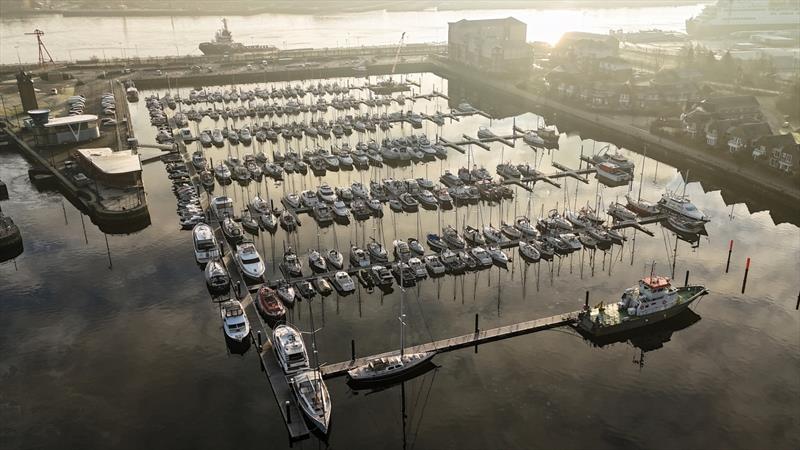
Royal Quays Marina © Boatfolk
The RYA have been working closely with the the government to make sure that new regulations for leisure vessels are not too restrictive. It seems that any group which operates a "coded" vessel should be thankful that the changes are not going to be as arduous as the Maritime and Coastguard Agency (MCA) originally intended.
Who sets these rules, and where do they apply?
The MCA is part of the Department of Transport, and is in charge of regulations on the sea. Leisure vessels operated by a business need to adhere to the laws, and we often talk about a vessel being 'coded' - i.e. it has been assessed to ensure it meets the regulations. If you did not have to be 'coded' in the past, then your boats will not be affected by these new rules.
The changes being made in 2025 affect sport/pleasure craft which are under 24m - this could be a charter yacht, boats used for Yachtmaster courses or Powerboat Advanced courses, to give a few examples.
Inland waterways are not affected, and dinghies are already exempt. For example, coastal training establishments with sailing dinghies have never had to comply with these laws. Likewise small motor boats such as used for Powerboat Level 2 were, and still are, exempt.
What is changing, and do I care?
Any business with boats within the MCA's remit will need to be aware that there are changes ahead. These could come into force as early as July 2025, although the RYA have been working hard to hold off such a rush, as they believe it is important to look more closely at the issues raised during the public consultation period, which ended recently. Whilst it is too late to shove your oar in, at least we can be grateful that this consultation period was doubled, thanks to the RYA's efforts.
There are fears that government departments can rush this phase, if not lobbied hard. The existing regulations have stood for 20 years, so delaying a few months is insignificant, argues the RYA. You can read their official response to the conclusion of the public consultation: [26 page PDF].
Thankfully, vessels with certificates issued under the old system will have three years to comply with the new rules. Any boat which wants to be 'coded' for the first time will have to comply with the new rules immediately (regardless of whether the hull is newly-built or not).
The changes from the current requirements depend on the type of craft and where it is operating. Significant changes will be new requirements for all operators to have a safety management system and supporting risk assessments in place; specific requirements around seating for vessels that plane or go more than 20 knots; increased requirements for carriage of safety equipment; and carriage of communications equipment now linked to the Global Maritime Distress and Safety System (GMDSS) area the vessel will operate in.
So what else has the RYA done for us?
The RYA's original successes were in challenging the early development of the code, with resulting changes being made by the MCA in areas related to stability assessments, towing permissions, training and survey requirements. See www.rya.org.uk/news/mca-sport-pleasure-code-explained for fuller details (scroll down to "Key Achievements").
At present, the RYA's main task is to put pressure on the MCA to properly pay attention to points raised by the general public, and not rush the legislation to parliament before the summer recess. However, the story started two years ago, and Niall McLeod of the RYA has been spending a significant portion of his time on the matter, since then. He assures us that there have been huge changes made from the original MCA proposal, and the original timescales. What is important now, is to make sure that the smaller details raised by the public consultation are not seen as insignificant in comparison.
Who else is keeping an eye on the government?
British Marine, and other certifying authorities are also keeping an eye on the MCA's changes, but it is the RYA who represent businesses and consumers on the leisure/training side of things. The RYA currently certify approximately 600 boats.
When will we find out the final details?
Whilst we are still waiting to see the exact wording when the new regulations are approved by parliament, we can already say that the RYA have made sure our industry sector isn't adversely affected by unclear, unenforceable or excessive new regulations. Businesses should hopefully have an easier time of it, thanks to the work done by Niall McLeod and his department since 2023.
Keep an eye at www.rya.org.uk/representation and www.gov.uk/government/organisations/maritime-and-coastguard-agency after July 2025 to see details of amendments and find out what the final timescale is.