
Protect Your Investment: The Real-Time Insurance Policy Your Boat Actually Needs
by Cyclops Marine 25 Aug 15:30 UTC
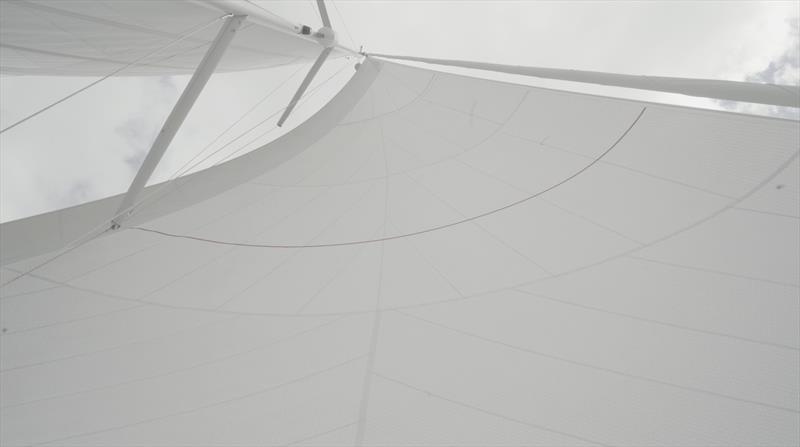
Sails © Cyclops Marine
Whatever you sail, your boat, rig, and sails represent a financial investment. Beyond the initial purchase, the cost of maintenance, insurance premiums and repair or replacement when damage occurs can make equipment failure an expensive proposition. Incorporating load-sensing technology across key areas of your boat provides real-time data that can help safeguard your equipment and protect your crew by empowering informed decision-making.
Modern load-sensing technology transforms invisible mechanical stress into actionable metrics, enabling you to sail with confidence while shielding your yacht from costly insurance claims or repairs.
- The Rig: Stopping Failures Before They Happen
Standing rigging and spars are among the most expensive vital components on any sailboat to repair or replace. The rig is the engine of your boat, so it can cause real danger if it suffers damage whilst at sea. Often, the rig acts as the ultimate failure point—dismasting before structural hull damage occurs. Load sensors on forestays, backstays, or shrouds give you immediate visibility into consistently high or peak working loads, allowing you to depower before reaching critical material stress thresholds, and long-term underloading which can cause weakness in vital areas.
- The Sails: Optimising Tension
Sails suffer not only as collateral damage during a rig failure, but also from localised overload or underload. The widespread use of electric and hydraulic winches makes it easy to accidentally over-tension halyards and tacks without physical feedback. Creasing sails during under or over-tensioned furling can also cause damage. Load sensors integrated into tack fittings or furling equipment quantify the exact strain on the sails, helping you to preserve your sails and prevent damage.
- Sail Handling & Deck Hardware: Protecting the Drive Train
Winches, blocks, and other deck hardware, carry huge loads. Overloading them causes premature wear and failures, often unseen. By monitoring line loads in real time, you can protect your deck equipment from exceeding safe working load limits, reducing hardware replacement costs and avoiding potentially dangerous failures.
- Structural Integrity: Crucial for Multihulls
On multihulls, rig tension directly impacts the hull structure and crossbeams. Carrying too much sail in choppy seas introduces extreme torsional stress across the hulls. Furthermore, a rig collapse on a catamaran can cause severe structural damage to the fibreglass or carbon deck upon impact. Load monitoring acts as an early-warning buffer to maintain overall structural integrity.
- Crew Safety: Safeguard Your Most Valuable Asset
While hardware and hulls are expensive to replace, the people on board are truly priceless. Hardware failure under extreme load—such as an explosive line snapback, a flying block, or a collapsing rig—presents an immediate, life-threatening danger to everyone onboard. Real-time load sensing, alerts the crew to dangerous conditions long before mechanical limits are breached, allowing sailors to take preventative action safely rather than reacting to a catastrophic accident.
By converting invisible strain into real-time visual data, load sensing shifts your onboard strategy from reactive repairs to proactive protection—extending the lifespan of your sails, protecting your rig, and safeguarding your crew.
Speak to a Cyclops expert on installing load sensors onto your boat.